
Written by Dr Michael Challenor
One thing that can catch medtech founders out is leaving reimbursement until too late. You can have a great technology, get through regulatory approval and build the clinical evidence, but if you haven't thought about who will pay for it, you could have a problem.
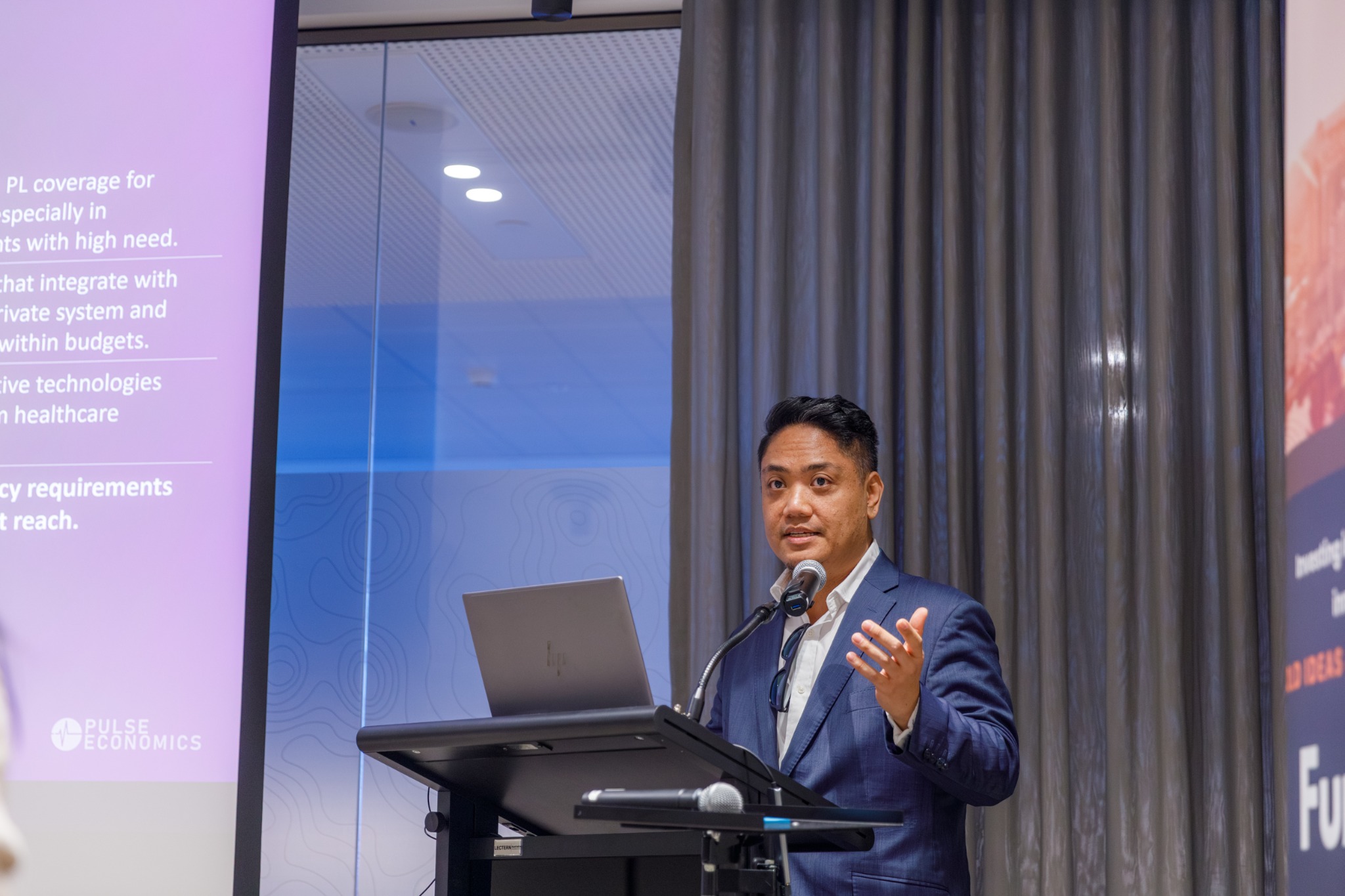
At the 2026 Innovate Medtech Masterclasses, Dr Michael Challenor sat down with Roy Ramiscal, Associate Director at Pulse Economics, about why reimbursement strategy belongs at the very start of medtech development.
WATCH THE PODCAST
REIMBURSEMENT NEEDS TO BE PART OF THE PLAN FROM DAY ONE
Getting regulatory approval is a big milestone, but it doesn't automatically mean a product will be funded or adopted by the healthcare system.Roy explains why founders need to understand the relevant reimbursement pathways, who the payer is and what evidence they'll need to see. It's not something to leave until the product is ready to go to market.
As Roy puts it, “It's not a tomorrow problem, it's a today problem.”
THINK ABOUT THE EVIDENCE BEFORE YOU START YOUR TRIALS
Clinical trials take time and money, so it's worth thinking carefully about what you need to demonstrate before they begin.
Roy makes the point that evidence requirements for reimbursement should be considered alongside regulatory requirements. Getting this right early can make a real difference when it comes to making a case for funding later.
THE BIGGEST MARKET ISN'T ALWAYS THE BEST PLACE TO START
It's tempting to target the largest possible market, but that doesn't always make it the best starting point.
Roy discusses why it's important to look at the clinical need, where your technology can make the biggest difference and what will matter to the payer. Being more focused at the beginning can help set a product up for a stronger commercial pathway.
MEDTECH ISN'T THE SAME AS SOFTWARE
There's a tendency to apply the same growth expectations to medtech as we do to software businesses. But medical devices come with different requirements around clinical evidence, regulation, funding and adoption.
These are all things that need to be factored into the commercial plan, not worked out along the way.
GET THE RIGHT ADVICE EARLY
We also talked about the growing use of AI to help prepare reimbursement applications. While these tools can be useful, Roy highlights that even large organisations with their own market access teams can find the process difficult.
Getting specialist advice early can help founders avoid costly mistakes and having to go back and fix things later.
A GREAT CONVERSATION WITH A PRACTICAL TAKEAWAY
Roy also shared his thoughts on the founders and technologies he met here in Perth at the Masterclasses.
My biggest takeaway from our discussion? Reimbursement isn't just something to figure out when you're ready to commercialise. It needs to be part of the thinking from the very beginning, alongside product development, clinical evidence and regulatory strategy.
If you're developing a medical device, this is well worth a watch.
Watch the full podcast on YouTube
KEEP IN THE LOOP
Want more practical medtech insights? Receive future Innovate Medtech podcasts, articles and event updates.

